
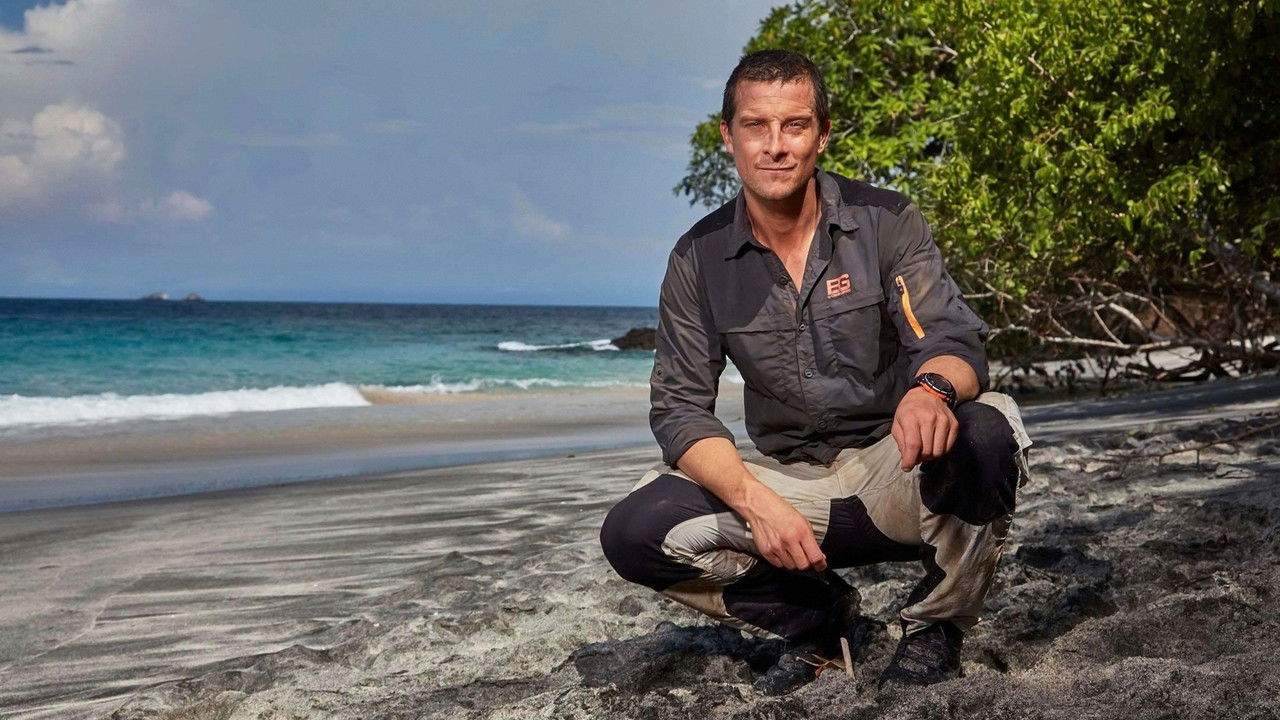
 2006 · 66 episodes · ★ 7.1Man vs. WildBear strands himself in popular wilderness destinations where tourists often find themselves lost or in danger.
DocStream
229 documentary series and films, 1972 to 2024, chosen for the whole household and sorted by subject.
Nature
Whole list (35) →2006 · 66 episodes · ★ 7.1Man vs. WildBear strands himself in popular wilderness destinations where tourists often find themselves lost or in danger. 2021 · Film · ★ 6.6Shark Beach with Chris HemsworthChris Hemsworth has a real passion for sharks. The Hollywood star talks to experts to find out more about the apex predators of the oceans.
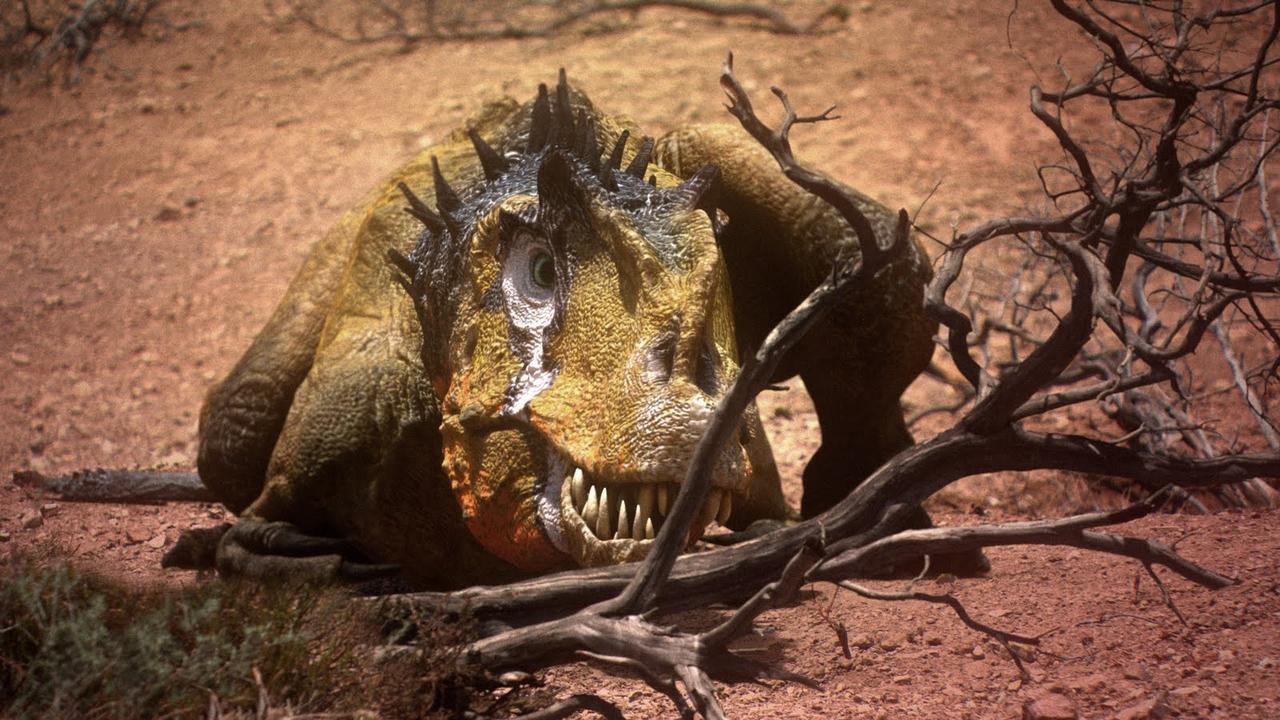 2011 · 4 episodes · ★ 7.1Dinosaur RevolutionDinosaur Revolution is a four-part American nature documentary produced by Creative Differences. It utilizes computer-generated imagery to portray dinosaurs and other…
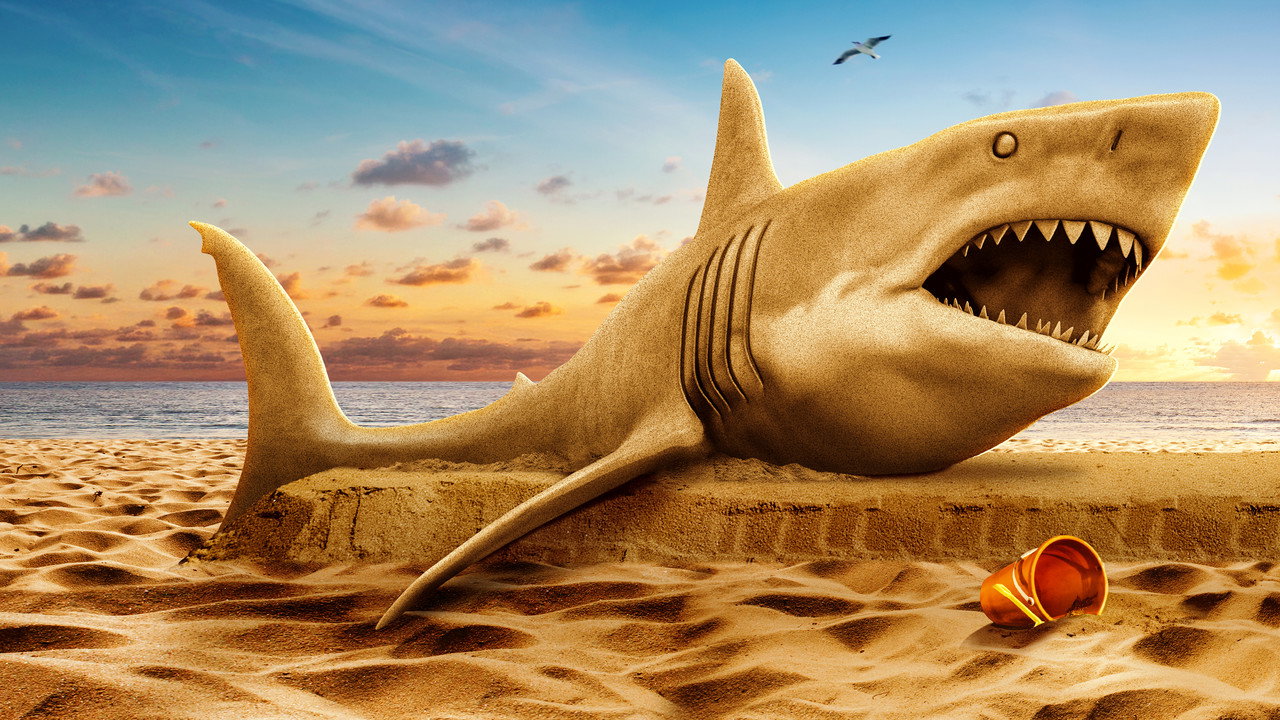 1988 · 459 episodes · ★ 7.6Shark WeekThe Discovery Channel's Shark Week, first broadcast on July 17, 1987, is a weeklong series of feature television programs dedicated to sharks. Held annually, normally in…
Science and space
Whole list (37) →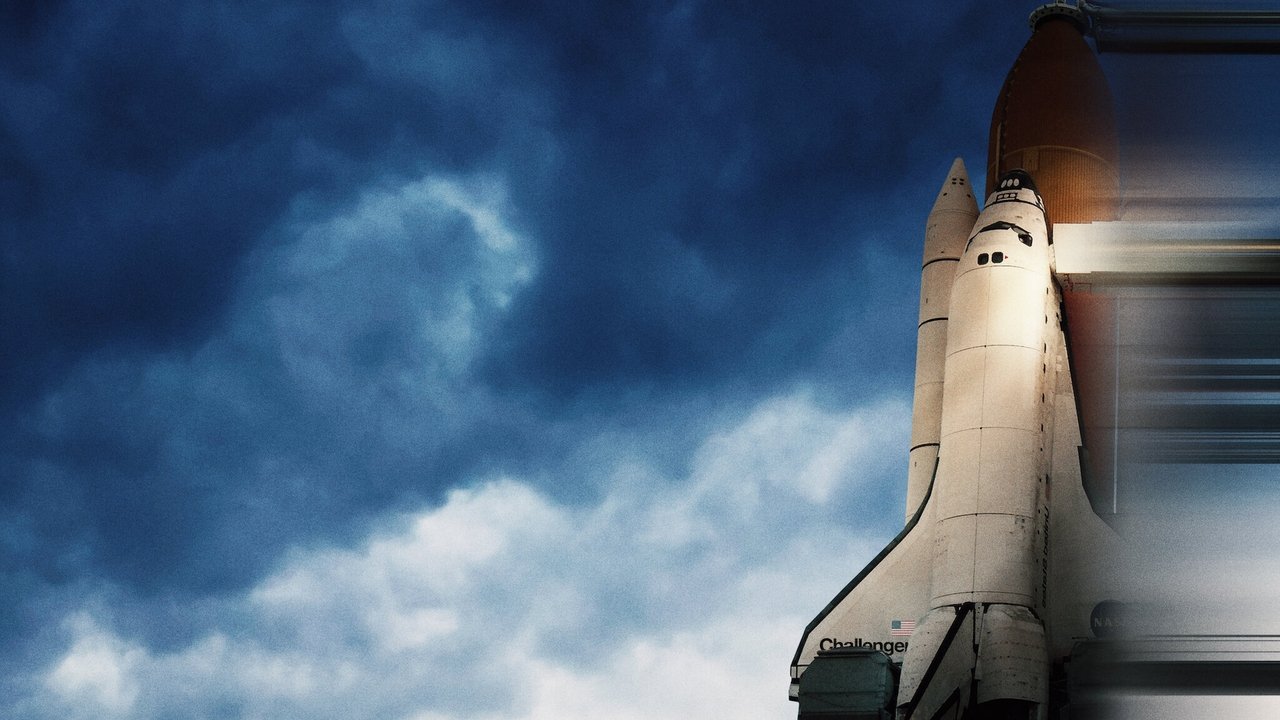 2020 · 4 episodes · ★ 7.1Challenger: The Final FlightEngineers, officials and the crew members' families provide their perspective on the 1986 Space Shuttle Challenger disaster and its aftermath.
 2020 · 4 episodes · ★ 7.6The Surgeon's CutThey're philosophers, storytellers and pioneers in their fields. Four surgeons reflect on their lives and professions in this inspiring docuseries.
 1998 · 7 episodes · ★ 7.0The Human BodyThe Human Body is a seven-part documentary series that looks at the mechanics and emotions of the human body from birth to death.
 1973 · 13 episodes · ★ 8.5The Ascent of ManThe Ascent of Man is a thirteen-part documentary television series produced by the BBC and Time-Life Films first transmitted in 1973, written and presented by Jacob…
Engineering
Whole list (21) → 2001 · 416 episodes · ★ 7.7How It's MadeHave you ever wondered how the products you use every day are made? How It's Made leads you through the process of how everyday products, such as apple juice,…
 2006 · 287 episodes · ★ 7.5How Do They Do It?An insider's look at the engineering and scientific miracles behind the things that form the modern world.
 2004 · 159 episodes · ★ 7.5MegaStructuresMegaStructures is a documentary television series appearing on the National Geographic Channel in the United States and the United Kingdom, Channel 5 in the United…
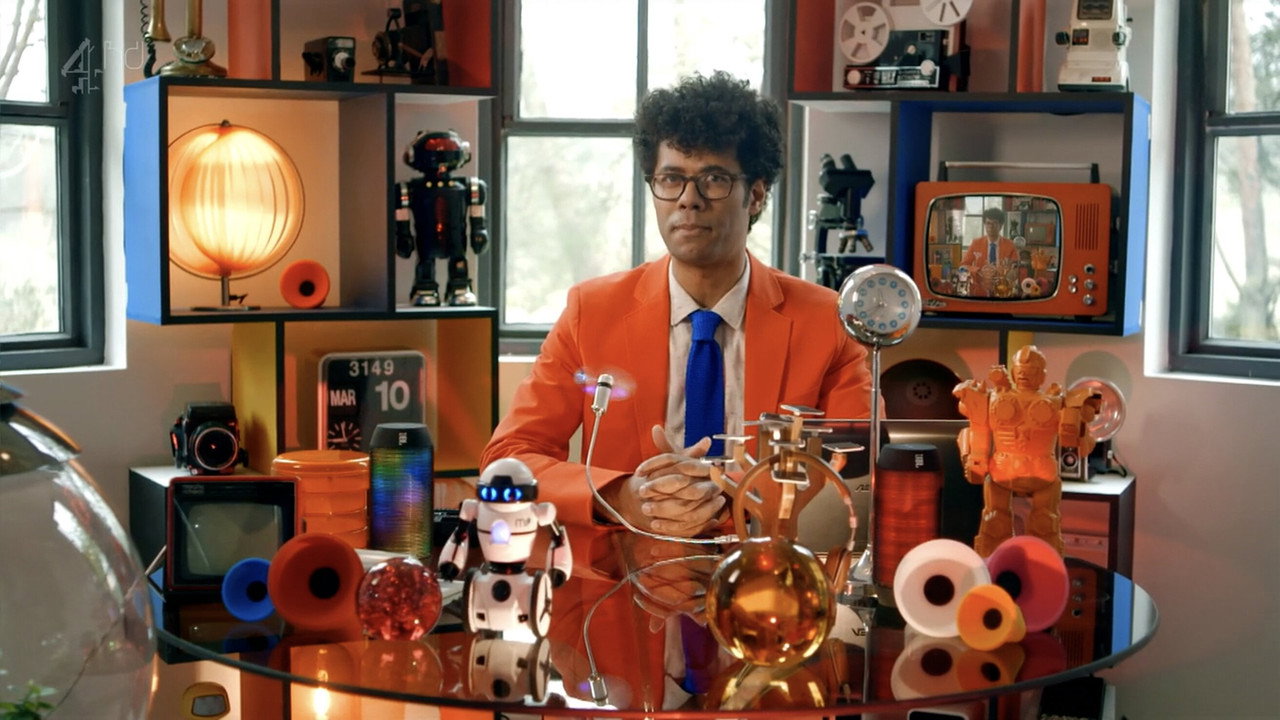 2012 · 25 episodes · ★ 7.0Gadget ManGadget Man shows the world's collection of handy gadgets throughout the ages, from today's smart devices to decades old electronics to even older mechanical devices.
History
Whole list (45) →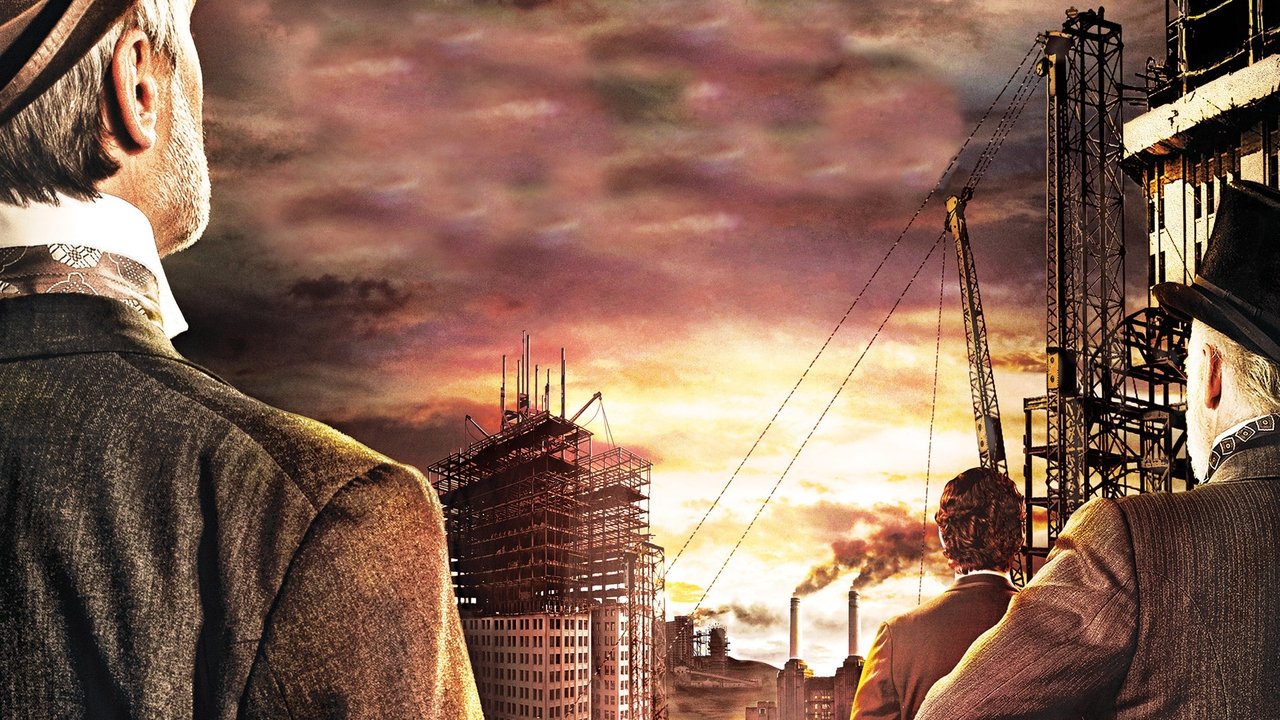 2012 · 4 episodes · ★ 8.0The Men Who Built AmericaInfluential builders, dreamers and believers whose feats transformed the United States, a nation decaying from the inside after the Civil War, into the greatest economic…
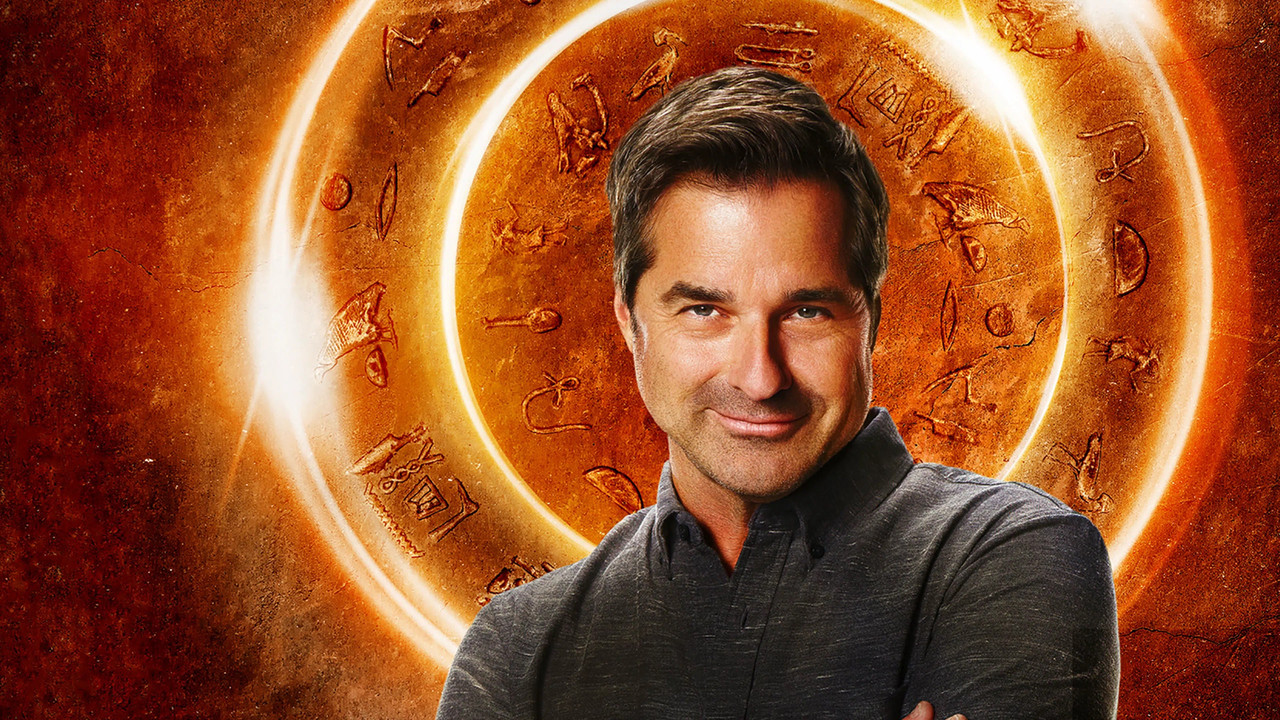 2010 · 310 episodes · ★ 8.8Mysteries at the MuseumDon Wildman unearths relics from the world's greatest institutions to reveal secrets from the past. He examines each artifact to illuminate history's most incredible…
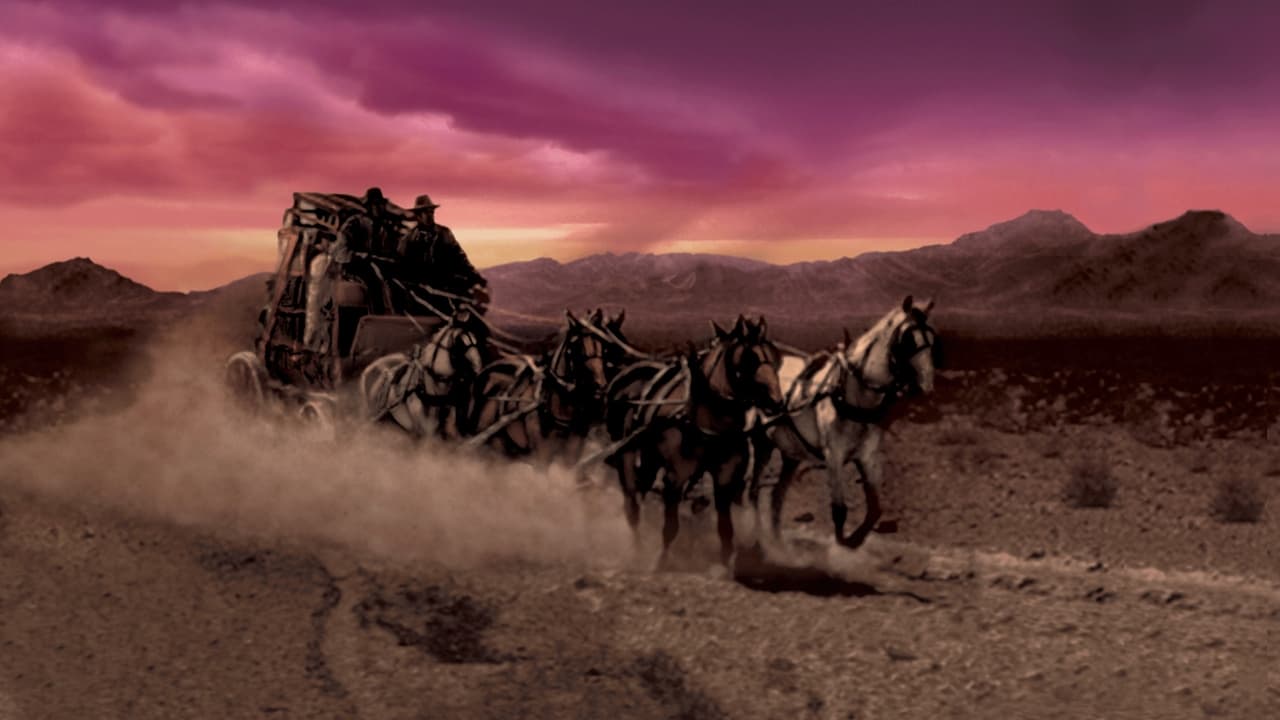 1996 · 9 episodes · ★ 8.4The WestThe West, sometimes marketed as Ken Burns Presents: The West, is a documentary film about the American Old West. It was directed by Stephen Ives and the executive…
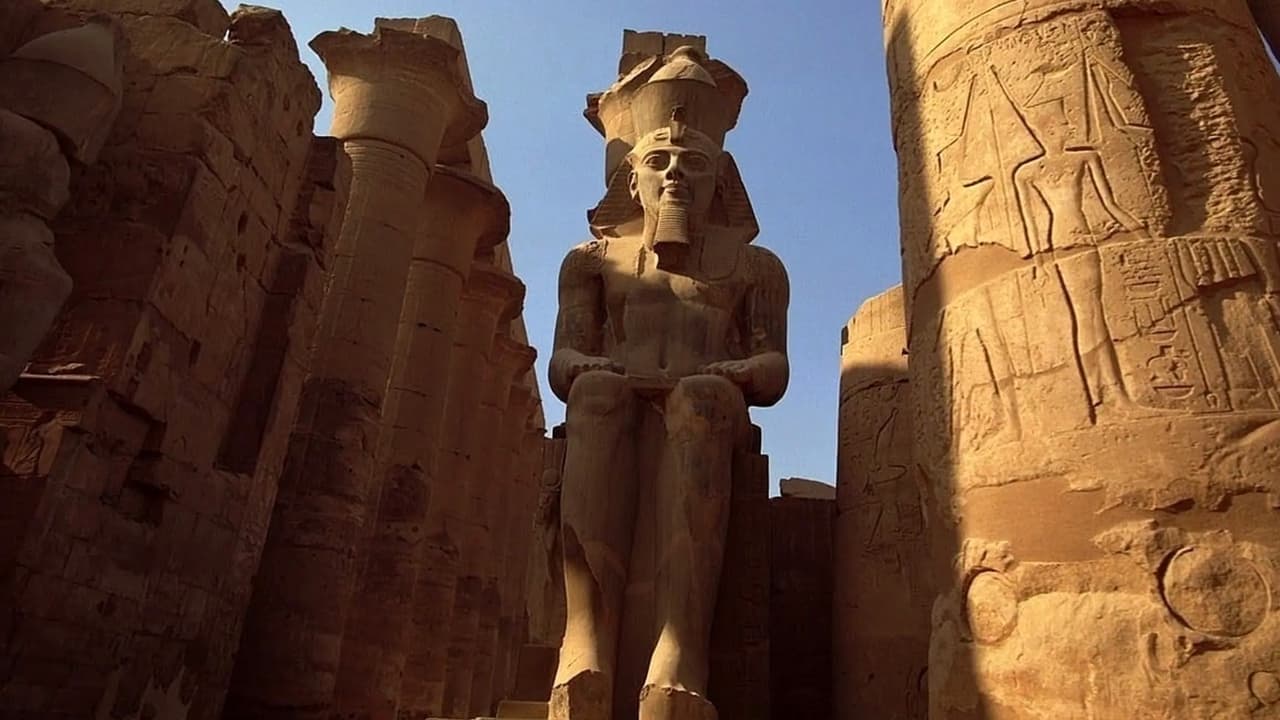 2007 · Film · ★ 6.9Mummies: Secrets of the PharaohsThe grail is not the gold, nor the books of ancient wisdom, but the 3,000 year old DNA of the mummies, which may lead to a cure for malaria.
Travel
Whole list (22) →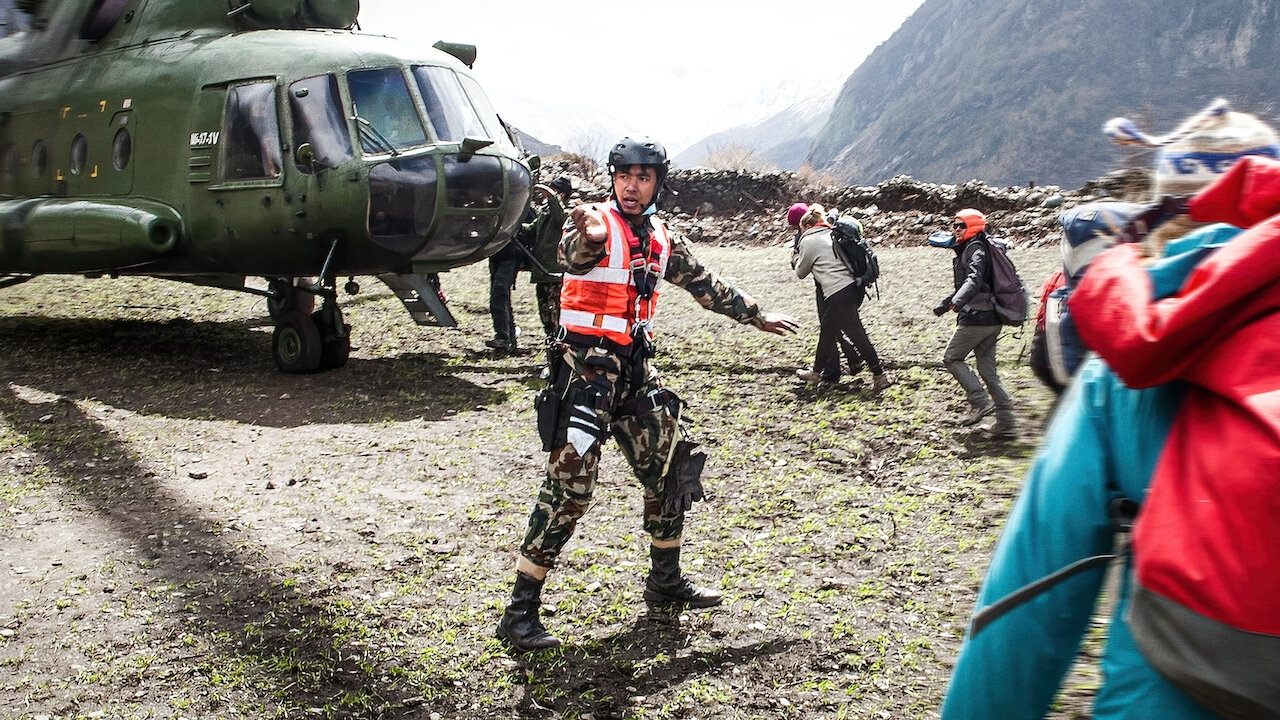 2022 · 3 episodes · ★ 7.4Aftershock: Everest and the Nepal EarthquakeAfter a terrible earthquake in Nepal, locals and tourists join forces to face destruction in this gripping docuseries.
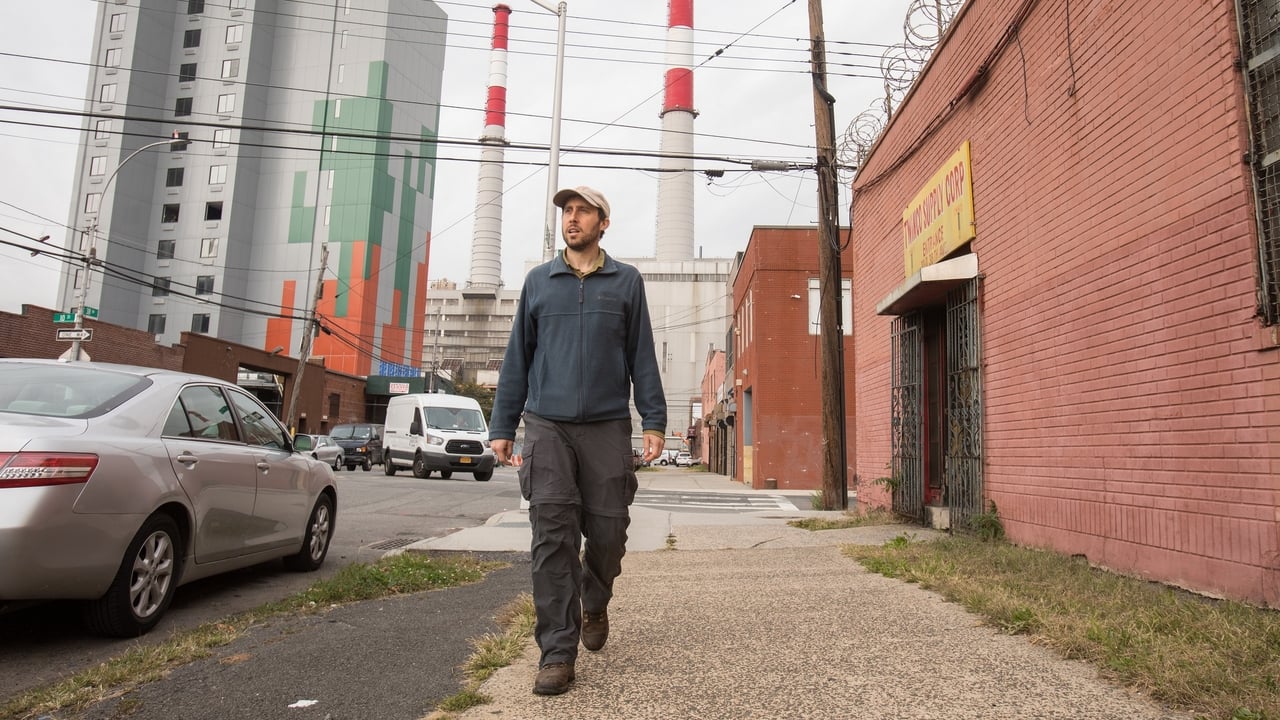 2018 · Film · ★ 6.9The World Before Your FeetFor over 6 years, Matt Green, 37, has been walking every street in New York City – a total of more than 8000 miles. The World Before Your Feet tells the story of one…
 2010 · 290 episodes · ★ 7.4Great British Railway JourneysMichael Portillo takes to the tracks with a copy of George Bradshaw's Victorian Railway Guidebook. Portillo travels the length and breadth of the country to see how the…
 2010 · 72 episodes · ★ 7.9Aerial AmericaTake off on a thrilling flight across America. This epic series offers rare glimpses of our nation's most treasured landmarks, all seen from breathtaking heights. From…
Cinema
Whole list (24) →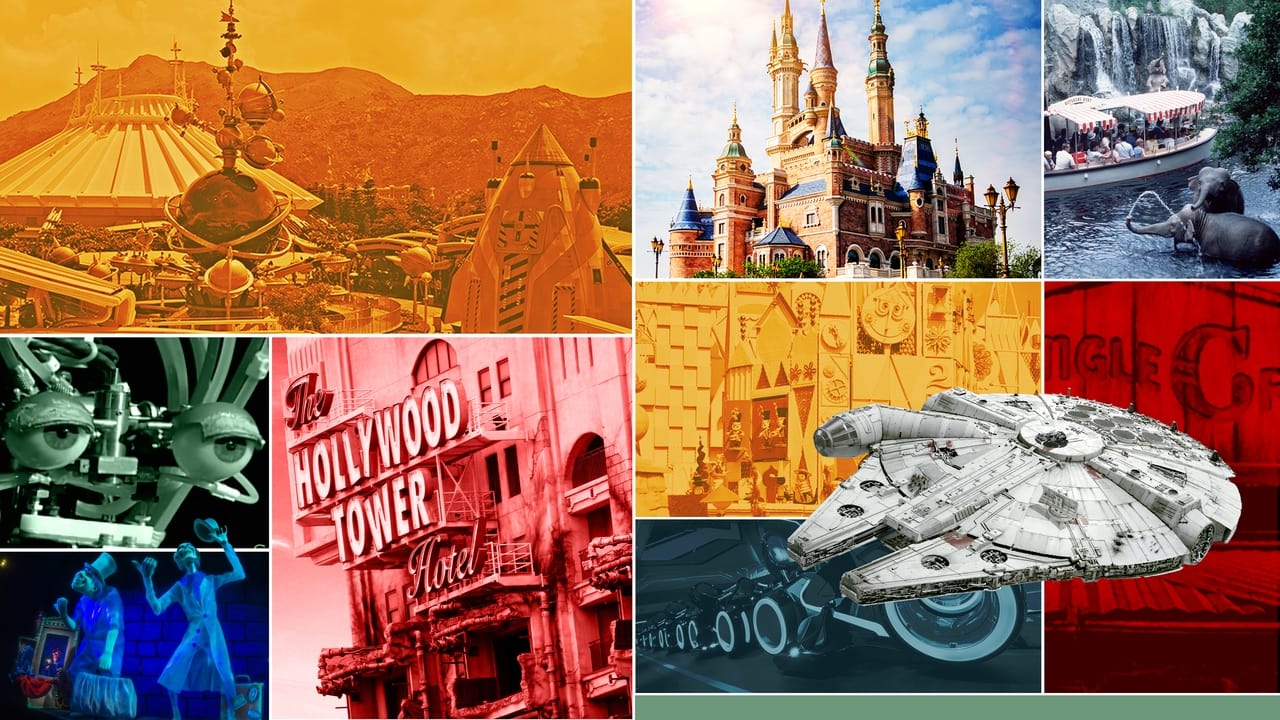 2021 · 18 episodes · ★ 7.3Behind the AttractionLearn how popular Disney attractions and destinations came to be, how they have changed over time, and how fans continue to obsess over them.
 2023 · Film · ★ 6.7Being Mary Tyler MooreWith unprecedented access to the Mary Tyler Moore Estate, friends, family, and colleagues, Being Mary Tyler Moore constructs an intimate mosaic of Mary's sixty-year…
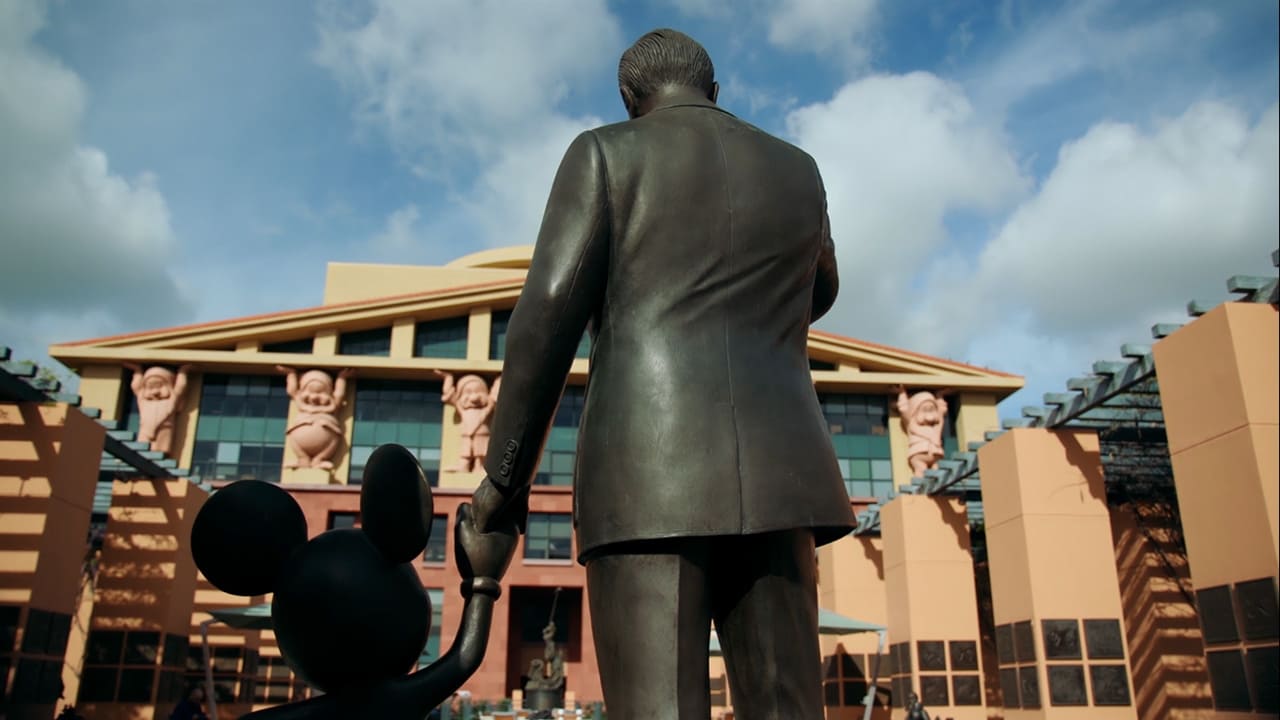 2019 · Film · ★ 6.8One Day at DisneyDiscover the inspiring personal stories of the people behind the enduring magic of Disney.
 2022 · 6 episodes · ★ 7.0The Last Movie StarsA celebration of Paul Newman and Joanne Woodward’s iconic careers and decades-long partnership. Director Ethan Hawke brings life and color to this definitive history of…
Music
Whole list (22) →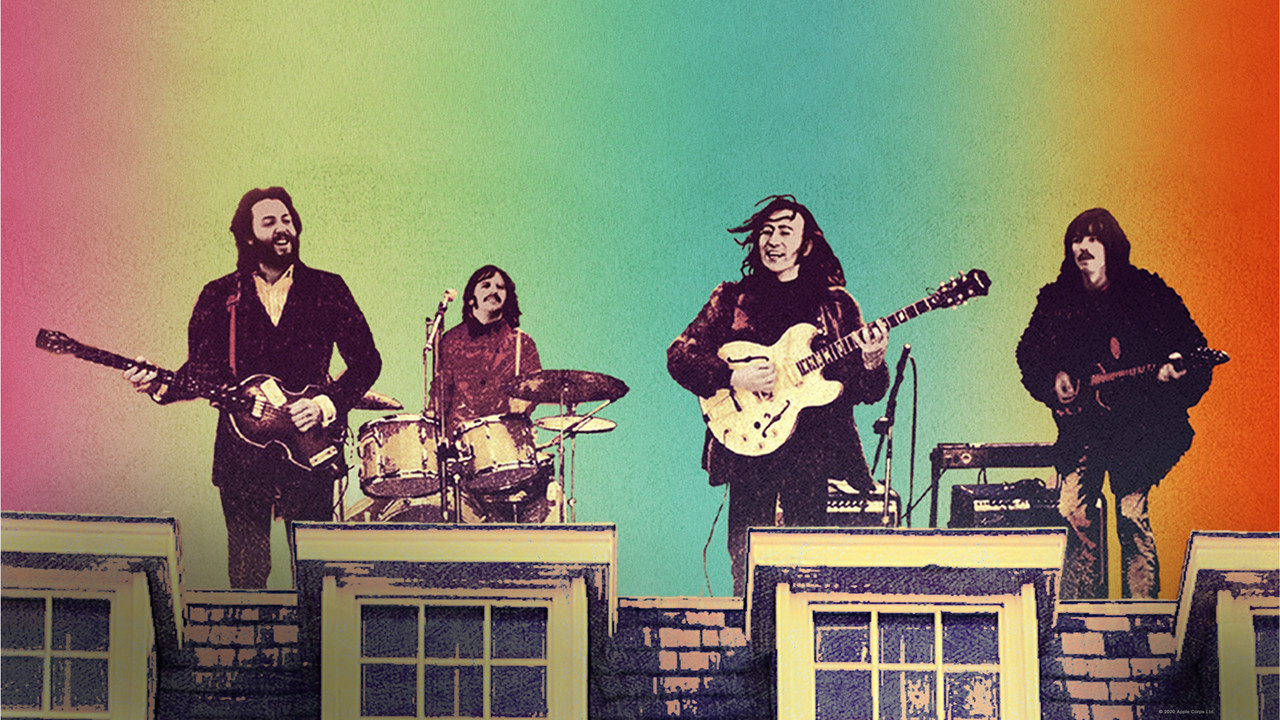 2021 · 3 episodes · ★ 8.4The Beatles: Get BackThe three-part documentary series, compiled from over 60 hours of unseen footage, captures the warmth, camaraderie, and creative genius that defined the legacy of…
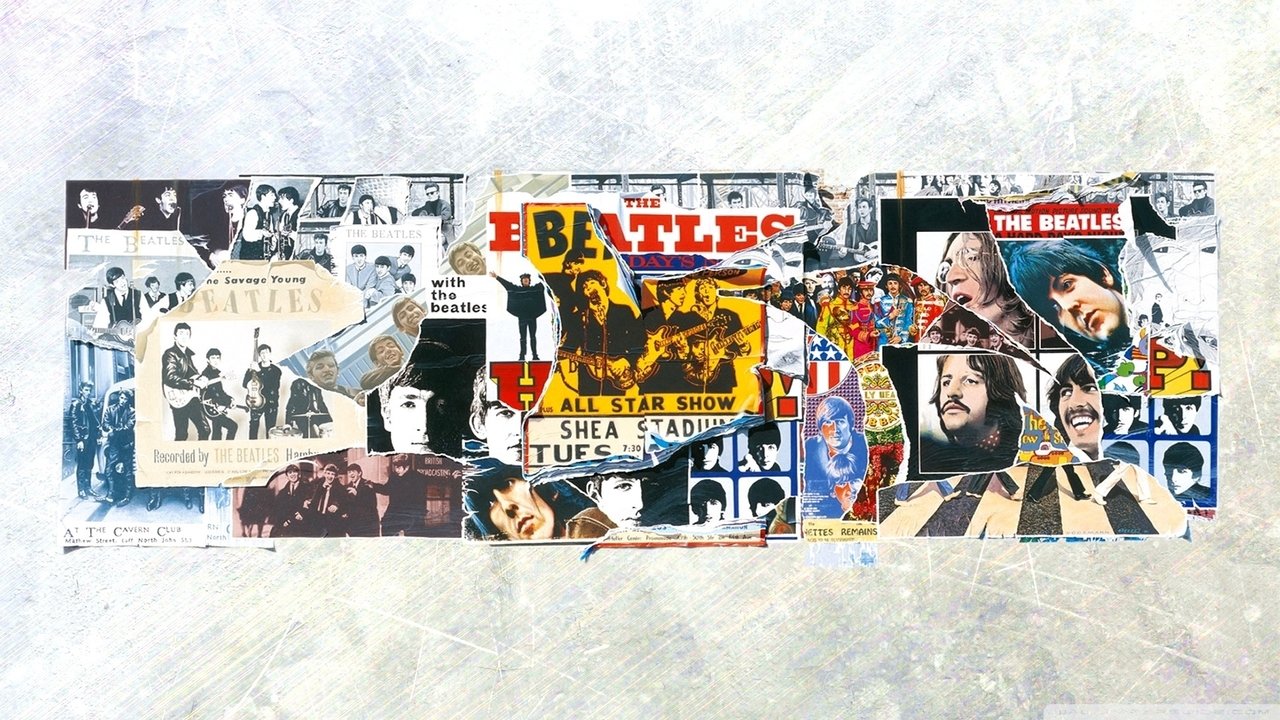 1995 · 4 episodes · ★ 8.3The Beatles AnthologyThe story of the Beatles told by the four of them, in eight parts: Liverpool and Hamburg, the first records, the years of touring, the studio masterpieces and the last…
 2018 · Film · ★ 6.8HowardThough legendary lyricist Howard Ashman died far too young, his impact on Broadway, movies, and the culture at large were incalculable. Told entirely through rare…
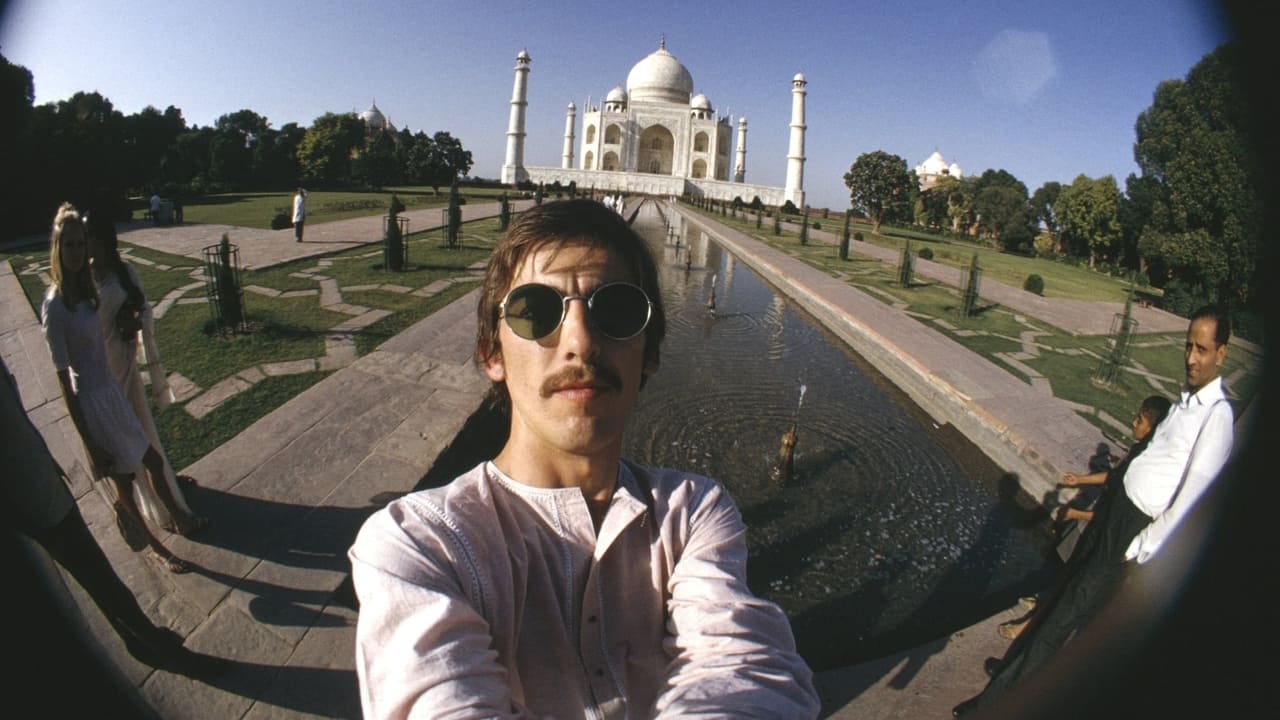 2011 · 2 episodes · ★ 7.5George Harrison: Living in the Material WorldHe was part of the most famous rock-'n'-roll quartet in history. But George Harrison was much more than just a member of The Beatles.
People and ideas
Whole list (23) → 2021 · 5 episodes · ★ 7.2Money, ExplainedWe spend it, we borrow it, and save it. Now let's talk about money and its many minefields, from credit cards to casino, scammers to student loans.
 2023 · 6 episodes · ★ 8.4Captains of the WorldFrom the locker room to the pitch, this docuseries offers exclusive access to all 32 teams as they fight for football glory in the 2022 FIFA World Cup.
 1986 · 316 episodes · ★ 7.0American MastersAmerican Masters is a PBS television series which produces biographies on enduring writers, musicians, visual and performing artists, dramatists, filmmakers, and others…
 2022 · Film · ★ 7.0We Feed PeopleWe Feed People spotlights renowned chef José Andrés and his nonprofit World Central Kitchen’s incredible mission and evolution over 12 years from being a scrappy group…
The DocStream guide to documentaries
DocStream: documentary series and films, with The Ascent of Man, Connections, The Beatles: Get Back, The Men Who Built America, How It's Made, A History of Britain and The West
A good documentary does something that few other programmes manage: it leaves you knowing more than when you sat down, and glad of it. Television has been making them for seventy years, and the best are among the finest things the medium has produced, whether a scientist walking through the ruins of an ancient city, a camera on the back of a penguin, or eight unhurried hours in a recording studio with four musicians from Liverpool. DocStream is a guide to 229 documentary series and films, made between 1972 and 2024 and chosen so that the whole household can watch together. It sorts them by subject, and gives each a page with its presenter, its episodes and a Watch now button that leads to the official services carrying it.
The catalogue holds 179 series and 50 films, with 4,980 episodes between them. Thirty-five titles are about nature, thirty-seven about science and space, twenty-one about engineering, forty-five about history, twenty-two about travel, twenty-four about cinema, twenty-two about music and twenty-three about people and ideas. This guide takes the subjects one by one, then turns to the presenters, to short series for busy weeks, to choices for children, and to the search and My List, and ends with a plan for a first fortnight.
What DocStream is
DocStream is a viewing guide, and its pages hold descriptions in place of video. For each title it gives a summary, the years of broadcast, the presenter or narrator, the number of seasons and a list of episodes with their titles and dates, which is especially useful for long series where each programme stands alone. The Watch now button opens JustWatch, an independent directory of official services, for the country you choose. JustWatch shows which subscriptions include the title and where it can be bought or rented. Documentaries are well served by the public broadcasters' own services and by specialist channels, and many of the classics have been restored. The how to watch page explains the steps.
The selection was made by hand from about 1,860 candidates. Every summary was read. True crime, which now dominates the form, was set aside, together with films of the battlefield, politics, celebrity scandal, the paranormal and concert films. What remains is the documentary as a teacher and a travelling companion. A hundred and twenty-five of the titles were made in Britain, where the tradition of the presenter-led series is strongest, and most of the rest in the United States.
Where to begin
Begin with Connections. In 1978 James Burke, a science reporter with a gift for explanation, set out to show that inventions arrive by a crooked road. Each episode starts with something familiar, a computer, a plastic bag, the telephone, and works backwards through a chain of accidents: a change in the weather in medieval Europe leads to the chimney, the chimney to private rooms, and so, eight or nine steps later, to the modern world. Burke films each link where it happened and delivers his lines to the camera with perfect timing, sometimes from two continents in the same sentence. It is as entertaining as a detective story, and it changes the way you look at the objects in your own kitchen. He returned to the idea in later series, and Connections with James Burke of 2023 brings it up to date.
For the youngest viewers, and for anyone who has ever wondered where a thing comes from, there is How It's Made. Each short segment follows one everyday object, a pencil, a bowling ball, a tube of toothpaste, down the factory line from raw material to finished article, with a calm commentary and a jaunty tune. There are 416 episodes, and it is very hard to watch only one.
For a feast of images, choose Earth's Great Rivers, three films about the Amazon, the Nile and the Mississippi, each followed from source to sea with the creatures and people who live along it. And for music, there is The Beatles: Get Back. In January 1969 a film crew recorded the Beatles for three weeks as they wrote and rehearsed a new album against a deadline. Half a century later Peter Jackson restored the footage to startling freshness and let it run at length. The result is the closest anyone has come to showing how songs are actually made: a tune appears out of idle strumming, the four of them joke, bicker and make tea, and at the end they climb to the roof and play for the street below.
Nature
Thirty-five titles are about the living world, and the nature guide sorts them. The large-scale series are the place to start. Evolution Earth visits animals that are adapting to a changing planet before our eyes, Planet Earth: The Future gathers scientists and film-makers to discuss what the cameras of a famous series had recorded, and State of the Planet is David Attenborough's clear account, made in 2000, of the pressures on wild places. Deep Ocean goes down in submersibles to film creatures seen alive for the first time. Mexico: Earth's Festival of Life, Wild Sri Lanka, Hidden India and Africa's Hidden Wonders are portraits of single countries, three episodes each, and all are beautifully photographed.
A newer kind of film puts the viewer among the animals. In Animals with Cameras small cameras are fitted, harmlessly and briefly, to meerkats, penguins and cheetahs, and the pictures they bring back have taught scientists things they could have learned in few other ways. Bertie Gregory, a young cameraman, takes his own equipment to the ends of the earth in Animals Up Close with Bertie Gregory and Epic Adventures with Bertie Gregory and explains as he goes how each shot is obtained. The Secret Lives Of Big Cats uses cameras that see in the dark, Meet the Chimps follows the residents of a sanctuary in Louisiana, and Koko: The Gorilla Who Talks to People tells the story of the gorilla who learned a thousand signs and of the woman who taught her.
Prehistory is always popular with children. Dinosaur with Stephen Fry places its host among computer-made creatures of the Triassic, Jurassic and Cretaceous and has him marvel aloud, which is exactly the right response. Dinosaur Revolution tells stories of individual animals in the manner of a silent comedy, Ice Age Giants reconstructs mammoths, sabre-toothed cats and giant sloths from their bones, and Lost Worlds, Vanished Lives, made by Attenborough in 1989, is a lovely series about fossils and the people who find them. Fungi: The Web of Life reveals the hidden kingdom under the forest floor, and Tigers on the Rise reports on the recovery of the tiger in India and Nepal.
Animals and the people who work with them fill the rest of the list. Steve Irwin, the Australian zookeeper whose enthusiasm was known around the world, appears in The Crocodile Hunter Diaries and Croc Files, the second made for children. The Jeff Corwin Experience is an American counterpart. Bondi Vet follows a Sydney veterinary practice, and Secrets of the Zoo: Tampa and Secrets of the Zoo: Down Under go behind the scenes at two great zoos. Dogs 101 introduces a different breed in each segment, The Story of Cats traces the family from lions to lap cats, and It's a Dog's Life with Bill Farmer meets dogs with jobs. Shark Week, which began in 1988, is the longest-running event in cable television, and Playing with Sharks is the life of Valerie Taylor, the diver who filmed sharks for half a century and became their champion. Man vs. Wild, Shark Beach with Chris Hemsworth, Deep Sea Detectives and Nature Is Speaking, a set of very short films in which well-known actors give voice to the ocean, the soil and the rainforest, complete the subject.
Science and space
Thirty-seven titles deal with science, and the science guide arranges them. The summit is The Ascent of Man. In 1973 the BBC gave the mathematician Jacob Bronowski thirteen hours to tell the story of human knowledge, from the first stone tools to the structure of the atom. He wrote every word and spoke them from memory, standing in the places where the discoveries were made, and the series has the force of a single mind thinking aloud. It remains the standard by which such programmes are judged. The Day the Universe Changed, James Burke's second great series, asks how each age has seen the world and what happened when the view shifted, and The Story of Science: Power, Proof and Passion covers the same ground in six lively hours with Michael Mosley.
The physicist Brian Cox has become the best-known science presenter of the present day. Science Britannica is his history of British science and its awkward geniuses, and Brian Cox's Adventures in Space and Time looks back over a decade of his own programmes to ask what has been learned since. Precision: The Measure of All Things explains, more entertainingly than seems possible, how the metre, the second and the kilogram were fixed. How We Got to Now takes six ordinary ideas, among them cold, glass and clean water, and shows how each transformed daily life, and The Secret Genius of Modern Life, with the mathematician Hannah Fry, opens up the bank card, the vacuum cleaner and the trainer to find the science inside. Big History, Curiosity, Bang Goes the Theory and Richard Hammond's Invisible Worlds, which films things too fast, too slow or too small for the eye, are popular science of the brisker kind.
The human being is a subject in itself. The Human Body, presented by Robert Winston in 1998, followed life from conception to old age with pictures taken inside the body that astonished audiences at the time. Inside the Human Body repeated the journey with newer technology. The Brain with David Eagleman is a clear and thoughtful guide to perception, memory and decision, The Human Face has John Cleese investigating expressions, beauty and fame with a scientist's help and a comedian's timing, and Becoming You watches a hundred children around the world learn to walk, talk and think in their first five years. Human origins are explored by the anatomist Alice Roberts in The Incredible Human Journey and Origins of Us, and in Walking with Cavemen and The Genius of Charles Darwin. The Surgeon's Cut profiles four pioneering surgeons, each of whom explains what drew them to the work.
For the planet and beyond there are How the Earth Was Made, a geological detective series, Rise of the Continents, Human Footprint, Space's Deepest Secrets and Strip the Cosmos. Challenger: The Final Flight tells with great care the story of the space shuttle lost in 1986, through the engineers and the families of the crew, and it is suitable for older children who are curious about how such a thing could happen. Three films were made for the giant screen, Solarmax, Hidden Universe and Mission to the Sun, and Catching the Sun is about solar power. Science Fair follows nine teenagers to an international competition, and it is one of the most cheering films in the catalogue.
Engineering
Twenty-one titles are about how things are built, and the engineering guide lists them. Beside How It's Made stand its cousins How Do They Do It?, Ultimate Factories, which spends a whole programme inside one plant, and How It's Made: Dream Cars. MegaStructures is the classic series on the biggest bridges, tunnels, ships and towers, Build It Bigger sends a young architect to climb about on them while they are under construction, and Superstructures: Engineering Marvels and Ancient Megastructures cover the newest and the oldest. Engineering an Empire explains how the Romans, the Egyptians and others built on such a scale, and Cities of the Underworld goes below the streets of famous cities to find the older ones beneath.
British television has a fondness for the engineer as enthusiast. In James May: The Reassembler the presenter sits at a workbench and puts back together, piece by piece, a lawnmower, a telephone and an electric guitar, talking as he works; it is strangely soothing. James May and the Dull Men continues in the same spirit. Speed with Guy Martin sets a lorry mechanic and motorcycle racer a series of record attempts, each of which requires him to build something, and Gadget Man tries out ingenious devices for everyday problems. The Tube and Secrets of the London Underground explore the oldest metro in the world, the second through abandoned stations and forgotten tunnels. George Clarke's Amazing Spaces visits tiny homes made from buses, boats and sheds, The Savoy goes behind the scenes of a great hotel, and Downey's Dream Cars, And We Go Green, about electric motor racing, and The Magic of Flight complete the list.
History
Forty-five titles are histories, the largest subject on DocStream, and the history guide divides them by place. For the ancient world, The Greeks: Crucible of Civilization tells in three parts how a small city invented democracy, and 8 Days That Made Rome picks eight turning points, from Hannibal's defeat to the founding of Constantinople, with Bettany Hughes. Pompeii: The New Dig follows archaeologists through a year of the largest excavation there in a generation, as rooms, wall paintings and a bakery emerge from the ash. Lost Treasures of Rome, Ancient Egyptians, Egypt From Above, The Nile: Egypt's Great River with Bettany Hughes and Mysteries of the Pyramids with Dara Ó Briain return to the two civilisations that viewers love best, and Mummies: Secrets of the Pharaohs was made for the giant screen.
Michael Wood, a historian who has spent forty years walking the routes he describes, presents three series here. In The Footsteps of Alexander the Great follows the conqueror's march from Greece to India on foot, by jeep and on horseback. The Story of India is a six-part history of the subcontinent, among the highest rated titles in the catalogue, and In Search of Shakespeare is a biography told like an investigation. Beyond Europe there are Art of Persia, Byzantium: The Lost Empire, Lost Treasures of the Maya, in which laser surveys from the air reveal cities under the jungle of Guatemala, and Africa's Great Civilizations, in which Henry Louis Gates Jr. travels the continent from ancient Nubia to the kingdoms of the nineteenth century. First Peoples explains how early humans spread across the globe, and Ancient Invisible Cities, Ancient Discoveries, Ancient Empires, Unearthed and Raiders of the Lost Past with Janina Ramirez are for lovers of archaeology.
British history is told on the grand scale in A History of Britain. Simon Schama's fifteen programmes, made between 2000 and 2002, run from the Stone Age villages of Orkney to the twentieth century, and they are argued with a novelist's eye for character; the episodes on the Norman conquest and on the Tudors are especially fine. Monarchy follows the crown through fifteen centuries, A History of Scotland gives the northern kingdom its own ten-part story, and Empire of the Tsars: Romanov Russia with Lucy Worsley takes a popular historian to St Petersburg. The Dark Ages: An Age of Light is a history of art that overturns the old idea of the centuries after Rome as a time of darkness.
Some of the most enjoyable history is practical. In Victorian Farm a historian and two archaeologists spend a full year running a farm in Shropshire with the tools, clothes and recipes of the 1880s, and viewers learn how bread was baked, sheep were dipped and hay was brought in before the rain. The same team went to France for Secrets of the Castle, to help build a thirteenth-century castle by thirteenth-century methods. Terry Jones' Medieval Lives has a member of Monty Python correcting what everybody thinks they know about peasants, knights and minstrels, and Britain's Most Historic Towns chooses one town to stand for each great period.
American history owes a great deal to Ken Burns and the film-makers who work with him, whose slow camera movements across old photographs have become a style of their own. The West tells the story of the American frontier in nine parts, giving equal weight to those who arrived and those who were already there. Lewis & Clark - The Journey of the Corps of Discovery follows the expedition that crossed the continent in 1804, Thomas Jefferson is a portrait of the third president in all his contradictions, and The Statue of Liberty, from 1985, is an early film about the monument and the idea. Liberty! recounts the American Revolution through the letters and diaries of those who lived it, 500 Nations is a history of the native peoples of North America, and America: The Story of Us and America in Color are fast-moving surveys.
A group of dramatised series tells the history of business. The Men Who Built America follows Vanderbilt, Rockefeller, Carnegie, Morgan and Ford through the decades when railways, oil, steel and the motor car remade the country, and it is one of the most voted titles on DocStream. The Titans That Built America, The Toys That Built America and The Mega-Brands That Built America continue the idea, and Theodore Roosevelt is a two-part life. Mysteries at the Museum takes a single object from a museum case in each segment and tells the story behind it, over more than three hundred episodes.
Travel
Twenty-two titles are journeys, and the travel guide lists them. The railway journey has become a television form of its own. In Great British Railway Journeys Michael Portillo, a former government minister in a bright jacket, travels the network with a Victorian guidebook in his hand and steps off at each stop to see what has changed in a hundred and fifty years. It has run for nearly three hundred episodes and produced Great Australian Railway Journeys and Great Coastal Railway Journeys. World's Most Scenic Railway Journeys simply looks out of the window, on lines from the Scottish Highlands to the Andes. Great Canal Journeys is slower still, and much loved: the actors Timothy West and Prunella Scales, married for more than fifty years, take a narrowboat along the waterways of Britain and Europe and talk about their lives.
The best travel programmes depend on the traveller. Billy Connolly rides a three-wheeled motorcycle from Chicago to Los Angeles in Billy Connolly's Route 66 and crosses the country again by train in Billy Connolly's Tracks Across America, stopping to talk to anyone who looks interesting. Michael Palin in Nigeria is the most recent journey of the most courteous traveller on television. Two Greedy Italians sends two celebrated London chefs home to Italy to eat, argue and cook, Miriam and Alan: Lost in Scotland puts two actors in a camper van, and Miriam Margolyes: Almost Australian, Secret Scotland, The Americas with Simon Reeve, Coast, which works its way around the entire shoreline of the British Isles, and Aerial America, which films every state from the air, are other good companions.
Some journeys are harder. Everest: Beyond the Limit follows an expedition up the north side of the mountain, Aftershock: Everest and the Nepal Earthquake reconstructs the days after the earthquake of 2015 through the film that climbers and villagers shot themselves, and Edge of the Unknown with Jimmy Chin asks great mountaineers, surfers and skiers about the moment that tested them most. Ed Stafford: Into the Unknown investigates places that look strange in satellite photographs. Three films are about people on foot: Desert Runners, on four amateurs attempting four desert ultramarathons in a year, The World Before Your Feet, on a man who set out to walk every street in New York, and Cavedigger, on an artist who carves halls and chapels by hand in the sandstone of New Mexico.
Cinema
Twenty-four titles are about films and the people who make them, and the cinema guide introduces them. The finest are the work of the historians Kevin Brownlow and David Gill. Unknown Chaplin, from 1983, was made from reels that Chaplin had ordered destroyed: the rehearsals and abandoned takes that show him inventing his comedies on camera, trying a scene twenty different ways until it works. Buster Keaton: A Hard Act to Follow does the same service for the other great silent clown, and Cinema Europe: The Other Hollywood recovers the film industries of France, Germany, Sweden and Britain before sound. All three are models of how to write history with pictures.
A Personal Journey with Martin Scorsese Through American Movies is exactly what its title says, nearly four hours in which the director shows the films that formed him and explains why. MGM: When the Lion Roars chronicles the grandest of the studios, and Glorious Technicolor the process that gave films their colour. Women Make Film: A New Road Movie Through Cinema is a fourteen-hour lesson in film-making illustrated entirely from the work of women directors, and Mark Kermode's Secrets of Cinema, The Power of Film and Every Frame a Painting, a celebrated series of short video essays, each explain how the trick is done. The Last Movie Stars is Ethan Hawke's portrait of Paul Newman and Joanne Woodward, and Being Mary Tyler Moore, McKellen: Playing the Part and Butterfly in the Sky, about a much-loved children's programme on reading, are lives in show business.
Animation has its own shelf. Walt Disney is a two-part biography of unusual frankness and depth, The Hand Behind the Mouse: The Ub Iwerks Story gives credit to the man who first drew the famous mouse, and Tex Avery: King of Cartoons salutes the wildest of the Hollywood animators. Pencils vs Pixels tells how drawing by hand gave way to the computer, and what was gained and lost. Toy Story at 20: To Infinity and Beyond, Good Chemistry: The Story of Elemental, Sketchbook, in which animators teach the viewer to draw a famous character, One Day at Disney, Behind the Attraction, How Disney Built America and Loving Vincent: The Impossible Dream, about a feature film made from 65,000 oil paintings, will please anyone curious about how such films come to be.
Music
Twenty-two titles are about music, and the music guide sets them out. The Beatles are the best documented musicians in history, and four titles tell their story from different sides. The Beatles Anthology, made in 1995, is the group's own account in their own words. Get Back shows three weeks of their working life in close detail. McCartney 3, 2, 1 sits Paul McCartney at a mixing desk with the producer Rick Rubin, who pulls up the separate tracks of famous recordings and asks how each part came about, and George Harrison: Living in the Material World, directed by Martin Scorsese, is a searching portrait of the quiet one.
For the wider story there are The History of Rock 'n' Roll, ten hours with nearly everyone who mattered, Seven Ages of Rock, and American Epic, which goes back to the 1920s, when record companies sent engineers with portable machines into the rural South and recorded blues, gospel, country and Hawaiian music for the first time. Broadway: The American Musical is a six-part history of the stage musical. Classic Albums devotes each programme to the making of one record, with the musicians at the desk, and Song Exploder does the same for a single song. Hitsville: The Making of Motown is told by the founder of the label, and Rockfield : The Studio on the Farm is the unlikely tale of two Welsh farming brothers who turned their barns into a recording studio used by some of the biggest bands in the world.
The films about individual musicians include Once Were Brothers: Robbie Robertson and the Band, Mr. Blue Sky: The Story of Jeff Lynne & ELO, ABBA: Against the Odds and Hans Zimmer: Hollywood Rebel, about the composer of a hundred film scores. Ryuichi Sakamoto | Opus is the Japanese composer's last performance, alone at a piano, filmed in black and white. Howard is the life of the lyricist who wrote the songs for three of the best-loved animated musicals, and Genghis Blues follows a blind blues singer from San Francisco who taught himself the throat singing of Tuva from a shortwave radio and travelled to Central Asia to compete. Landfill Harmonic is about an orchestra of children in Paraguay whose violins and cellos are made from oil drums and packing cases, When Björk Met Attenborough is a conversation about music and nature, and Hot Potato: The Story of The Wiggles is for parents who know every word.
People and ideas
Twenty-three titles are harder to classify, and the people and ideas guide gathers them. Two are biographies of American writers by Ken Burns: Hemingway, in three parts, and Mark Twain. Language itself is the subject of The Adventure of English, in which Melvyn Bragg tells the life of the language as if it were a person, from a few Germanic dialects to a world tongue, of the earlier The Story of English, and of Fry's Planet Word, in which Stephen Fry travels in search of how we learned to speak and write. The Power of Myth is a famous set of conversations about the stories that every culture tells.
Art is represented by Ways of Seeing, four short programmes of 1972 in which the critic John Berger changed the way a generation looked at paintings and advertisements, by The Art of Japanese Life, by Sky Ladder: The Art of Cai Guo-Qiang, about an artist who paints with gunpowder and fireworks, and by Visual Acoustics, on the photographer who made modern architecture famous. On Pointe follows a year at the School of American Ballet, and American Masters is the long-running series of profiles of artists, writers and performers.
Sport has Captains of the World, with cameras inside all thirty-two squads at a World Cup, Gold Stars: The Story of the FIFA World Cup Tournaments, King Otto, about the German coach who led Greece to the most surprising championship in European football, and Visions of Eight, in which eight famous directors each filmed one aspect of the Olympic Games of 1972. Life in a Day 2020 was assembled from 300,000 videos shot around the world on a single Saturday. We Feed People follows a chef who takes kitchens to places struck by storms and floods, Lily Topples The World a young woman who is the best domino artist alive, and Central Park and Carts of Darkness are observational films of real charm. Money, Explained is five short lessons on credit cards, loans and saving.
Six kinds of documentary
The word documentary covers several quite different crafts, and it helps to know which one you are choosing. The first is the authored series, in which a presenter with real knowledge makes an argument over many hours: The Ascent of Man, A History of Britain, The Story of India and Ways of Seeing are the models. The second is the archive film, built from old photographs, letters and footage; the histories of Ken Burns belong here, as do The Beatles Anthology and Unknown Chaplin. The third is the observational film, in which the makers simply watch and listen, adding as little as they can. Central Park, by the veteran Frederick Wiseman, is three hours in the life of one park, and On Pointe, Science Fair and The Beatles: Get Back follow people at work towards a deadline.
The fourth kind is the natural history film, the most technically demanding of all, where a few minutes of screen time may represent months in a hide; Earth's Great Rivers and Evolution Earth are good recent examples, and Animals with Cameras shows how the equipment keeps changing what can be seen. The fifth is the dramatised history, in which actors play out the events between the interviews. The Men Who Built America and 8 Days That Made Rome work this way, and they are a good choice for viewers who find talking heads hard going. The sixth is the process film, which watches a thing being made or mended: How It's Made, James May: The Reassembler, Victorian Farm and Secrets of the Castle all draw their fascination from the simple pleasure of seeing a job done properly.
A seventh, smaller group was made for giant screens in science museums. Solarmax, Hidden Universe, The Magic of Flight and Mummies: Secrets of the Pharaohs each last about forty minutes and were photographed on the largest film format there is. They are short, spectacular and well suited to a family evening, and they make a good first documentary for a child.
Learning with DocStream
Many people come to documentaries with a purpose, and the catalogue can be used as a set of short courses. For a grounding in the history of science, watch The Ascent of Man, Connections and The Story of Science: Power, Proof and Passion in that order, and finish with Science Britannica. For human evolution, take Walking with Cavemen, The Incredible Human Journey, Origins of Us and First Peoples. For the ancient Mediterranean, The Greeks: Crucible of Civilization, 8 Days That Made Rome, Pompeii: The New Dig and Byzantium: The Lost Empire make a sequence of about twenty hours. For the United States, Liberty!, Lewis & Clark - The Journey of the Corps of Discovery, The West and The Men Who Built America carry the story from 1765 to 1920.
The arts can be studied in the same way. Anyone who wants to understand film will learn more from A Personal Journey with Martin Scorsese Through American Movies, Cinema Europe: The Other Hollywood and Women Make Film: A New Road Movie Through Cinema than from most books, and the three together last about twenty-four hours. For popular music, American Epic, The History of Rock 'n' Roll and Classic Albums cover a century. For the English language there are The Story of English and The Adventure of English, made seventeen years apart and interesting to compare. Teachers will find that single episodes of most of these series stand well alone, and the episode lists on each page make it easy to pick the right one.
Two traditions
Most of the catalogue comes from two countries, and their styles differ. The British tradition, formed by a public broadcaster with a duty to educate, favours the presenter on location, the well-turned script and the short run of three or six programmes. It has a taste for eccentric enthusiasm, as Great Canal Journeys, Two Greedy Italians and James May and the Dull Men show, and for getting hands dirty. The American tradition has two branches. Public television produced the long archive histories and the biographies of American Masters, patient and beautifully written. The cable channels produced the fast, high-energy factual series, MegaStructures, Mysteries at the Museum, How the Earth Was Made and their many relations, with urgent narration and a cliff-hanger before every break.
The streaming services have lately blended the two, commissioning short, handsomely filmed series such as Becoming You, The Surgeon's Cut and Song Exploder for a worldwide audience. Australia adds its own voice, sunny and practical, in Bondi Vet, Croc Files and Secrets of the Zoo: Down Under, and Canada gave the world How It's Made. Whichever style you prefer, the subject lists on DocStream mix them freely, so that a search for dinosaurs or railways will bring up the best of each.
The presenters
The presenter-led series is a form in which the guide matters as much as the subject, and the presenters guide lists the best of them. The scientists come first: Bronowski, with his rolled consonants and long pauses; Burke, in a pale safari suit, forever walking towards the camera; Cox, smiling on a mountain top; Alice Roberts, who can make a bone tell a story; and Hannah Fry, who treats mathematics as a branch of mischief. Among the historians, Schama argues, Wood walks, Worsley dresses up, and Bettany Hughes, in Genius of the Modern World as elsewhere, goes to the places where ideas were born. The travellers, Palin, Connolly and Portillo, share a talent for listening. The search field accepts all of their names.
The narrator is the presenter's unseen cousin, and some of the films here are carried by a voice alone. The Ken Burns histories are read by actors whose voices become those of the letter writers, and many of the nature films rely on a single calm commentary. It is worth noticing, as you watch, how much of the meaning is in the words, and how the best scripts leave room for the pictures to speak.
Short series for busy weeks
One hundred and eleven series are complete in eight episodes or fewer, and the short series guide picks out the best. Many of the finest British documentaries are three hours long: Ice Age Giants, Precision: The Measure of All Things, Art of Persia, The Genius of Charles Darwin, Ancient Invisible Cities and The Story of Cats can each be seen in three evenings. Six-part series such as The Brain with David Eagleman, How We Got to Now, Liberty! and Africa's Great Civilizations make a good project for a week. At the other end, How It's Made, Great British Railway Journeys, Mysteries at the Museum and Shark Week run to hundreds of episodes, each complete in itself, and can be dipped into at any point.
The classics
Seventy-five titles date from before 2010, and the classics guide introduces them. The great personal-view series of the 1970s and 1980s were made on film, with long takes and long sentences, and they ask more of the viewer than most modern programmes do; they also give more. The 1990s brought the big American histories, and the 2000s the factual series of the specialist channels. Eighty-six titles come from the decade after 2010 and sixty-eight from the years since 2020, when the streaming services began to commission documentaries on a large scale.
Choices for children
The family viewing guide arranges the catalogue by age. Small children are happy with How It's Made, Dogs 101, The Story of Cats and the zoo series. From about nine, the dinosaur programmes, Walking with Cavemen, Animals with Cameras, MegaStructures and Victorian Farm are ideal, and Croc Files was made for exactly that age. Teenagers are ready for Connections, The Brain, Science Fair and the sport and music films, and anyone preparing for examinations will find A History of Britain, The Story of Science and The Adventure of English better than a textbook.
A note for parents
Every summary was read by hand before a title was admitted, and the catalogue leaves out true crime, politics and the paranormal. History series include battles, usually re-enacted briefly and at a distance. Nature films show animals hunting. Challenger: The Final Flight and Aftershock: Everest and the Nepal Earthquake deal with real accidents and are best kept for older children, and The Surgeon's Cut shows operations. Each title page lists the certificate where one is recorded.
Search, subjects and My List
The search field in the top bar looks through titles, presenters and descriptions as you type; try sharks, Rome or Attenborough. The home page is a single stream sorted into the eight subjects, with the list of subjects always at the left, and eight further lists pick out the series, the films, the British productions, the short series, the decades and the top rated. The finding titles page describes each of them, together with the A to Z index.
A documentary habit grows quickly, and the Add to My List button on each page is there to keep it in order. DocStream stores your list in the browser you are using, on your own device, where it is private and always to hand, and the My List page shows how to keep a copy as a file or carry it to another computer.
The top rated list
Twenty-seven titles have a score of 8 or more from at least ten voters. They include The Beatles: Get Back, The Men Who Built America, The Beatles Anthology, McCartney 3, 2, 1, The Ascent of Man, The West, Connections, A History of Britain, The Day the Universe Changed, The Story of India, Unknown Chaplin, Engineering an Empire, Cities of the Underworld, Seven Ages of Rock and 8 Days That Made Rome. It is a reliable shelf, and a good answer to the question of what to watch tonight.
A first fortnight
Here is one way through two weeks with DocStream. On the first evening, the first episode of Connections. On the second, three segments of How It's Made with the children, and on the third the Amazon film from Earth's Great Rivers. Give the fourth evening to the opening part of The Beatles: Get Back and the fifth to Unknown Chaplin. On the sixth, watch Simon Schama on the Norman conquest in A History of Britain, and on the seventh take a train with Great British Railway Journeys. In the second week, try The Ascent of Man, Victorian Farm, Animals with Cameras, The Brain with David Eagleman, Billy Connolly's Route 66, Science Fair, and finish with the first part of The West. By then you will have sampled all eight subjects, and DocStream will have more than two hundred titles and several thousand episodes still to offer.
Questions and answers
Questions
What is DocStream?
DocStream is a guide to 229 documentary series and films, 1972 to 2024, chosen for family viewing and sorted by subject.
Which title should I watch first?
Start with Connections for science, Earth's Great Rivers for nature, A History of Britain for history or The Beatles: Get Back for music.
Is the catalogue suitable for families?
Yes. Every summary was read by hand, and true crime, films of the battlefield, politics, the paranormal and celebrity scandal were set aside.
Which subjects are covered?
Nature, science and space, engineering, history, travel, cinema, music, and people and ideas, with between 21 and 45 titles in each.
How many episodes are listed?
The 179 series have 4,980 episodes between them, and each series page lists them with titles and dates.
Which series are the most celebrated?
The Ascent of Man, Connections, Ways of Seeing, A History of Britain, The West and The Beatles Anthology.
How does My List work?
Press Add to My List on any title page. The list is kept by the browser on this device, and the list page can write it to a file.
Does DocStream host documentaries?
DocStream is a guide only. Every Watch now button opens JustWatch, which lists the official streaming, rental and purchase services for your country.
